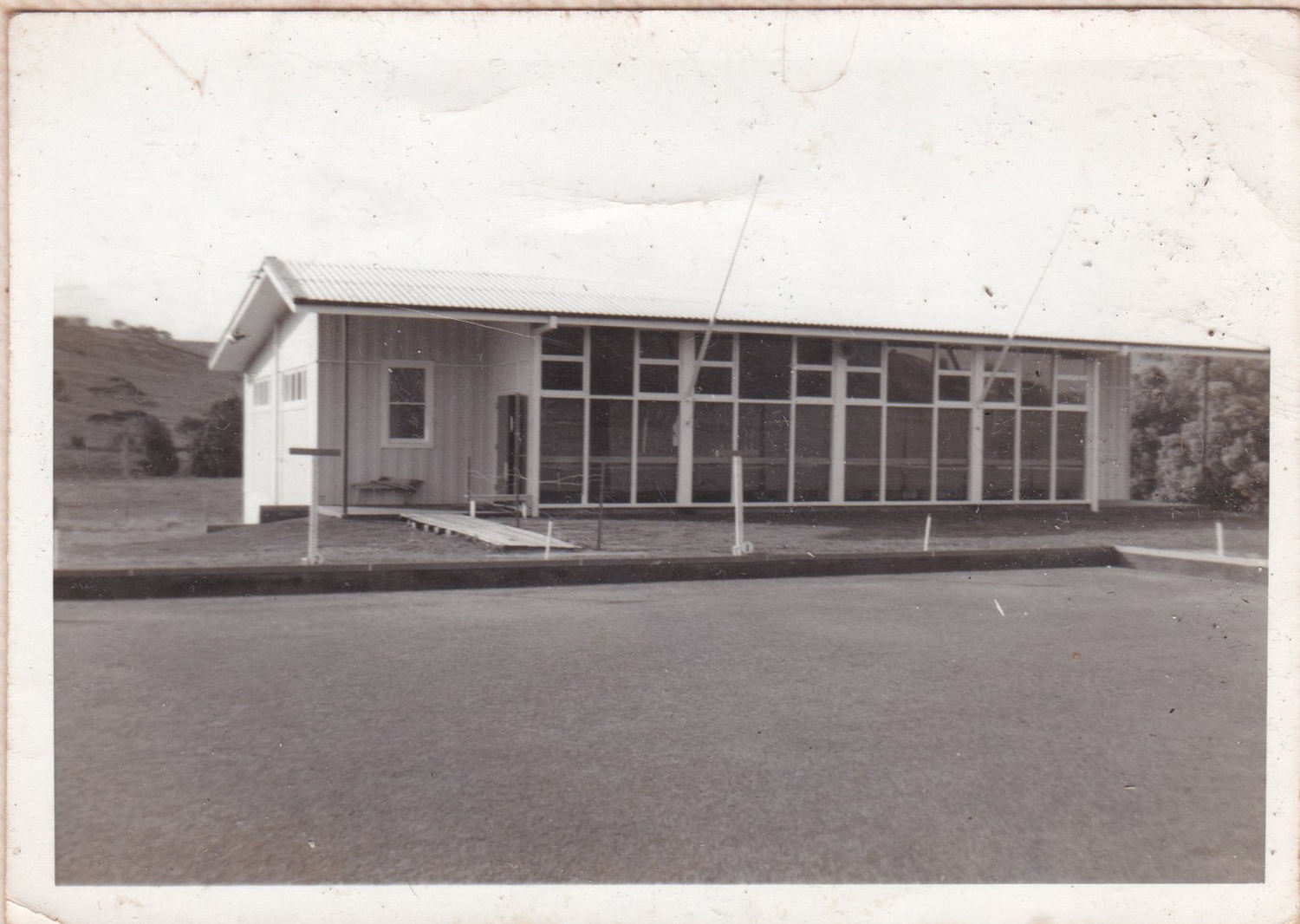
In a huge win for the Bangalow community, Byron Shire Council has unanimously supported the recommendations of a Heritage Assessment recognising the Bangalow Bowling Club’s social, cultural and architectural value.
While the formal listing process still has steps to complete, the motion marks an important public acknowledgment: the Bowlo is more than a building. It is a place of continuity and community.
For decades, the club has functioned as Bangalow’s common ground – a multi-purpose civic space where sport, celebration, music and everyday connection intersect. It is one of the few venues in town where a pensioner, a young family, a sporting committee and a touring musician could share the same floor.
 The Heritage Assessment identified the building’s distinctive exposed metal ceiling trusses that define the main hall space as structural features that are characteristic of bowling club architecture from the era. Comparable trusses at Willoughby Bowling Club in Sydney, built in the same period, have already been heritage listed – demonstrating that such elements are recognised as architecturally and socially significant within NSW club heritage.
But heritage, in this case, extends beyond the walls.
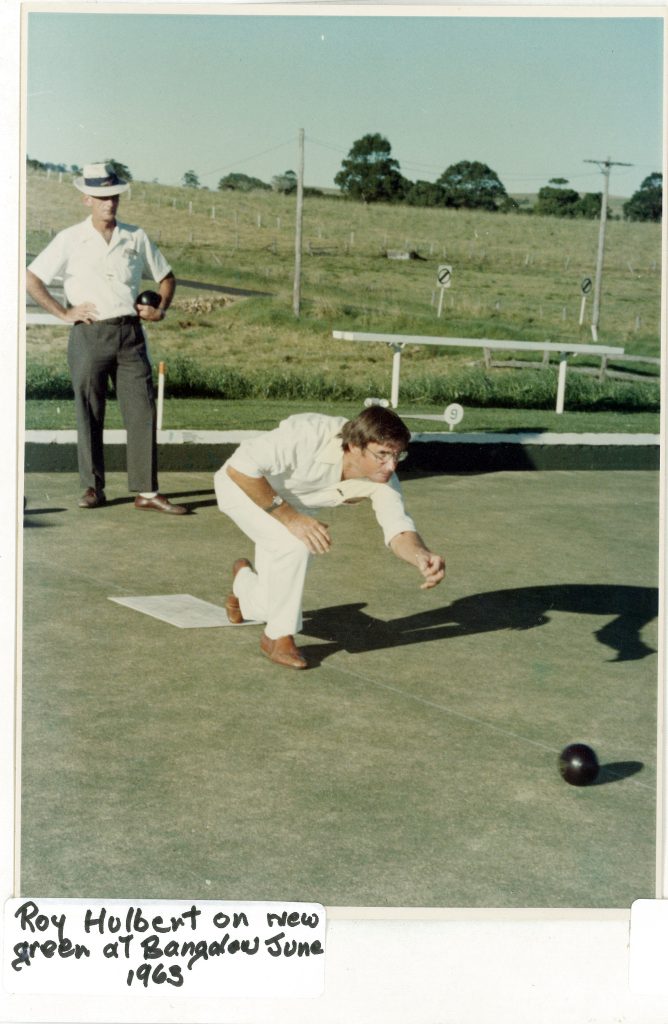
The bowling greens facing Byron Street herald your arrival in Bangalow. They mark a physical threshold – from highway to village – but also signal something about identity and place. The greens speak of participation, sport and shared space.
“I believe the Bangalow Bowlers who originally selected and bought this land then constructed the clubhouse on which it sits alongside its picturesque lawn bowling green, would be thrilled that their efforts will possibly be enshrined in a heritage listing which would help to ensure the whole community get to enjoy the space – and the game they love – into the future,” says Shane Mahony, current Bangalow bowler and former greenkeeper.
Council’s unanimous vote does not immediately place the Bowlo on the Local Environmental Plan’s Schedule of Heritage Items. What it does is endorse the assessment and signal that the formal listing process will proceed. That process typically involves preparation of a planning proposal, a Gateway determination from the Department of Planning, public exhibition and, ultimately, gazettal.
When listed, demolition would be highly constrained, major external alterations would require heritage impact assessment, and any future development would need to respect the site’s recognised significance.
For many in the community, this news will be met with a collective sigh of relief.
The January 2026 community survey conducted by the Save Bangalow Bowlo Steering Committee found strong alignment on one core objective – that the Bowlo should return to genuine community ownership and control. The survey also confirmed that the club is valued as a social asset, not just a property, with respondents repeatedly referencing loss of access, routine and connection if the venue’s character were compromised.
Those themes surfaced again in council debate: heritage recognition is not about nostalgia. It is about continuity of use.
The Bowlo has hosted sporting competitions, local club meetings, fundraisers, weddings, wakes, live music and daily social rituals. It has provides an accessible venue in a village with limited multi-purpose, multi-generational spaces.
Heritage recognition in this context does not freeze the building in time. It regulates demolition and unsympathetic alteration, while still allowing ongoing operation, upgrades and maintenance.
Heritage listing, in effect, strengthens the likelihood that this site remains a sports and leisure venue into the future. It does not mandate bowls forever, nor does it prevent operational evolution required to keep the venue relevant and viable. But it makes large-scale redevelopment for any other purpose significantly more difficult, and strengthens the case for the site’s continued use as community infrastructure.
Of course, heritage status also carries responsibility. A listed building must be maintained appropriately. Works require careful documentation. Future operators – whether community-led or through amalgamation – would need to balance preservation with viability.
To the casual observer, the Bowlo’s greens, hall and modest façade may not shout architectural grandeur – although architect F.J. Board was described in the Northern Star as “possibly Lismore’s greatest architect”.
The significance of this site, inside and out, lies in the accumulation of social life and participation over decades.
Heritage protection recognises the importance of proactively safeguarding such spaces.
The next steps now lie in the formal planning pathway, including public exhibition. For now, however, Council’s decision on Thursday 19 February 2026, signals something clear: Bangalow’s bowling club is being recognised not just as a building, but a significant shared ‘third place’ space and a community asset worth protecting.
Sally Schofield