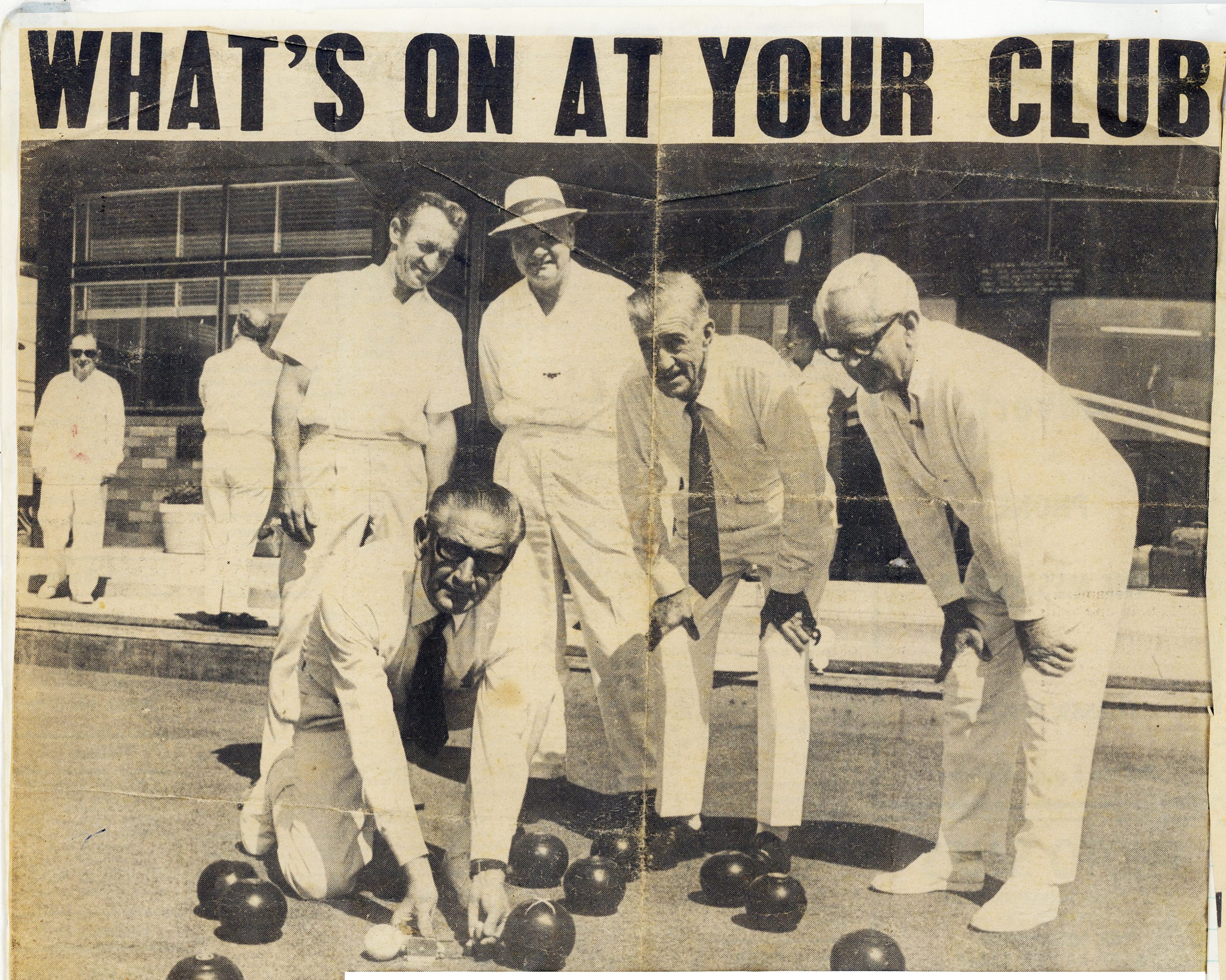
For 115 years, the Bangalow Bowling and Sports Club was a constant in our community. You’d know a face, find a seat, and settle into conversation. It didn’t matter who you were. Everyone belonged.
So, when the club shut its doors abruptly earlier this year, no community notice, no public consultation – just a sign and a visit from the locksmith – it hit harder than expected. Because what we lost wasn’t just a building with beer and bowls. We lost a ‘third place’.
Urban sociologist Ray Oldenburg coined that term in 1989 to describe spaces that exist outside home (the first place) and work (the second place), where community happens organically. “Third places,” he wrote, “are neutral ground… informal, accessible, accommodating… a home away from home.”
Sound familiar?
The Bowlo – as it’s still affectionately known – ticked every box of what makes a ‘third place’ function. It was plain in appearance but welcoming, down-to-earth in its tone, and full of regulars. You could play barefoot bowls with toddlers and teens, or sip a schooner alongside a pensioner watching the footy. No social hierarchy. Just being.
And that presence mattered more than we knew.
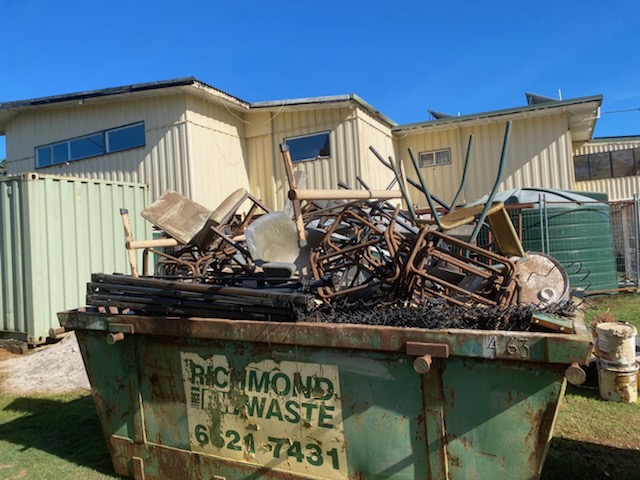
The club was absorbed into a Sydney-based consortium through an amalgamation completed in 2023 – one of several regional acquisitions framed as upgrades but largely ending in disrepair and closure. The promised investment never came. Sports clubs, initially wooed by sponsorship money, were left out of pocket. Staff left. And on 24 October, the lights went out without warning.
Local sporting groups have been left without training facilities and a ‘clubhouse’. Carolyn, a Bangalow Netball Club committee member, says “The abrupt closure of the Bangalow Bowling Club has had a significant impact on the Bangalow Netball Club. The Bowlo was the training courts for five netball teams and we used them every Wednesday afternoon. Families may now have to travel to other towns just so their children can train. This puts the club at real risk of losing players and memberships. We hope there is a local solution to ensure our players can continue to participate in the sport they love and remain connected to their community.”
The social impact has been immediate and devastating.
For many older residents, the club was their primary – sometimes only – point of social contact. “Third places,” says academic Louis Heath, who has extensively researched the role of Bowling Clubs in Australian society “are particularly important for those sectors of society that have limited opportunities for social interaction such as the older and new members of the community.” They provide reasons to leave the house, interact, and regain a sense of self beyond the walls of home.
For others, particularly men, the club offered what mental health professionals call a ‘soft entry point’ – an accessible place to talk without the pressure of formality or stigma.
You could just ‘drop in’ no appointment necessary. The famed ‘Table of Knowledge’ is evidence of this. That option is now gone.
For those with limited mobility, chronic health issues or disability, the actual building was one of the only accessible venues in the whole town providing respite from the weather for older residents, or those who, like Richie Allen (now quadriplegic after a sporting accident on the very fields the club overlooks), requires a thermostatically-controlled environment such as that the club once offered, to ensure his comfort and quality of life.
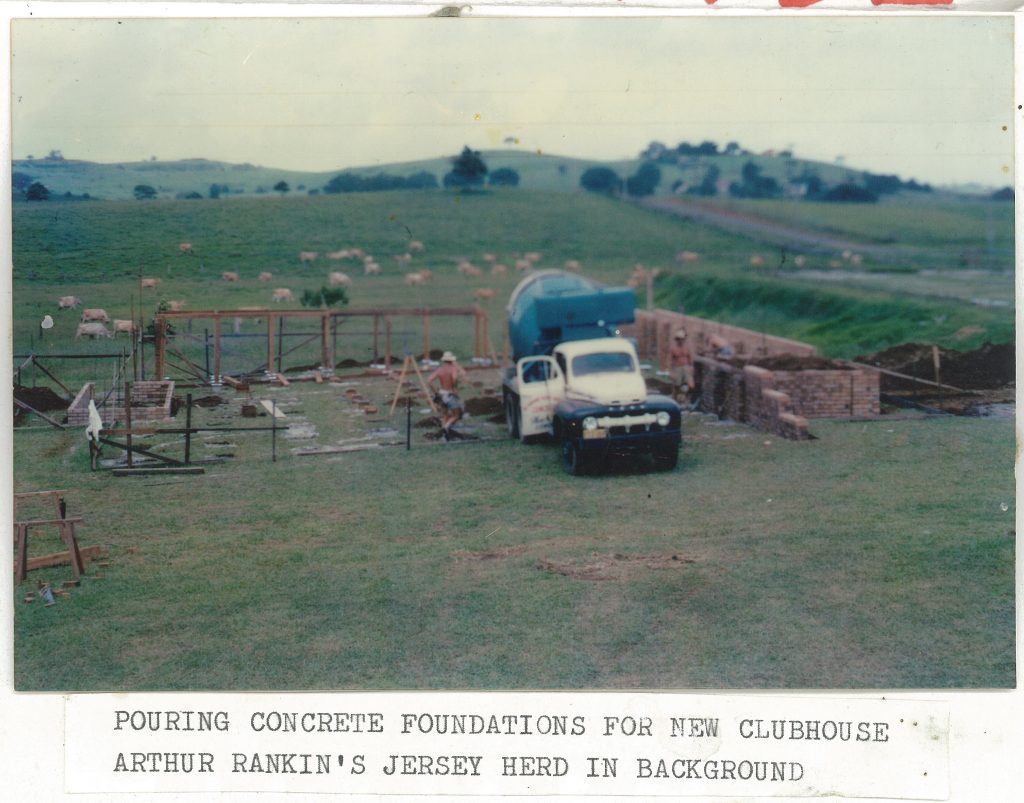 The closure of the club spells the end of a vital cross-generational connector. Bangalow’s Bowlo was one of the rare places where you’d see a 75-year-old retiree swapping gardening tips with a 20-something tradie, or where kids could run free in ‘the cage’ while frazzled parents debriefed on the week that was.
“We have lost our meeting and connection place. How wonderful that any time we popped into the Bowlo we would run into friends, kids would play and we would connect. We are really feeling its absence,” says Anna, mother of two aged 5 and 9.
For newcomers to town, it offered an informal gateway into the community – somewhere to strike up a conversation, find out who’s who, enjoy a meal with friends, or be entertained by people-watching, trivia nights, open-mic events, and incredible live music.
“When Norths suddenly shut the doors of the Bangalow Bowlo, it ripped a hole in the cultural life of the shire,” says Barry ‘Dr Baz’ Ferrier. ‘For musicians, the Bowlo was one of the few remaining grassroots venues where original music, low-key youth gigs and experimental projects could actually happen. There’s a proud history of local bands, touring acts and emerging songwriters all using the auditorium as a launch pad. There’s ‘closed’ sign means lost income, and one less stage in a region that already struggles to keep live music spaces alive.”
“For the open mic community, the impact is even more personal. With a 26-year history these nights weren’t just about getting up and having a sing – they were a weekly ritual where retirees shared the bill with teenagers, where shy writers tried new songs for the first time, and where friendships and collaborations were born over cheap meals and a relaxed crowd.”
Now, the building is locked, and the interiors are neglected. Neighbours have noted rising mould and the unmistakable scent of decay that clings when a space meant for people is left empty. It’s a second insult – the slow undoing of a place where so many memories live. Life events commemorated, losses mourned, graduations celebrated, grand finals won (or lost), a wedding or two, book clubs, Two-Up, a decent parmi/parma and a pint, discos, fundraisers, trivia nights and some of the best live entertainment in the country. Or just shooting the breeze on the back deck overlooking the sports fields, and marvelling at how bloody lucky you are to be living in this paradise?
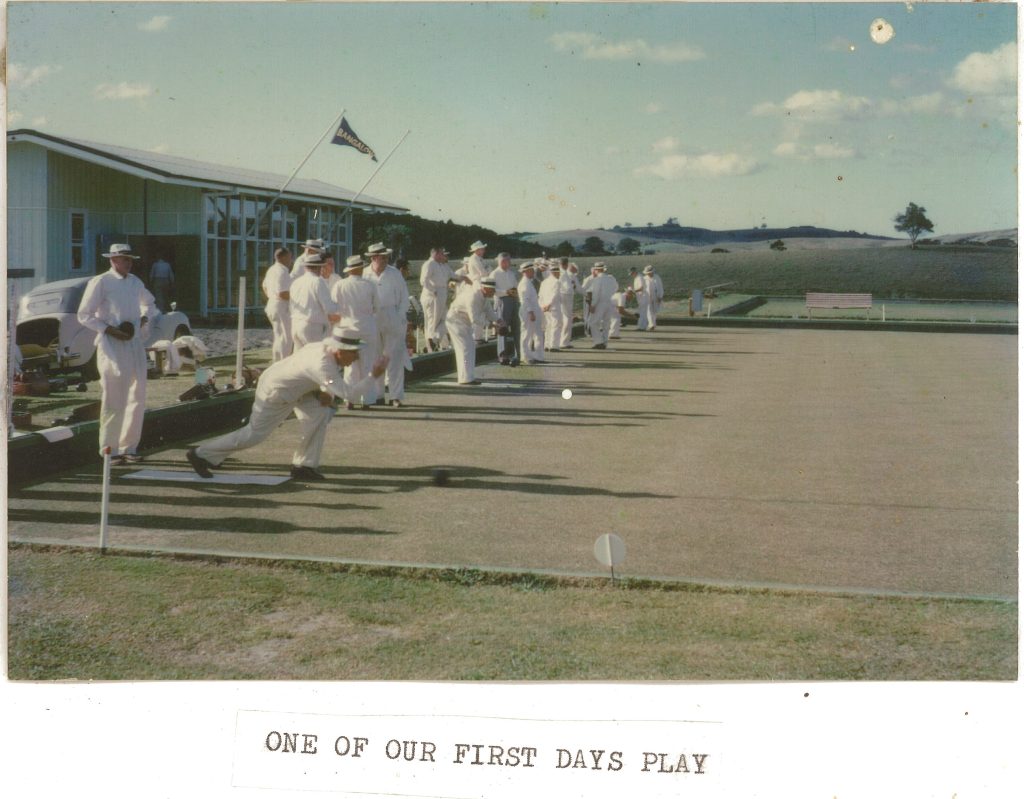 We often measure community loss in economic terms – jobs lost, property value affected – but what of cultural cost? Emotional continuity? Social wellbeing? Louis reminds us that “bowling clubs significantly contribute to the social capital of our communities… fostering the social wellbeing of many, particularly older, community members.”
We need to make a stand for the value of these places for what they are really: vital infrastructure. Not just venues or businesses, but spaces that carry the emotional weight of community. They aren’t interchangeable. The damage isn’t irreparable – yet. But it does require acknowledgement, transparency and local say in what happens next. Will the community be invited back in? Or will the site continue to rot while the consortium deliberates from afar?
Whatever the outcome, I know this: when a town loses its third place, it doesn’t just lose its clubhouse. It loses part of its collective heartbeat. And I know I’m not the only one who’s not going to stand by and let that happen.
In the weeks since closure, extreme heat and heavy rain has created the perfect environment for mould to proliferate. With no maintenance, cleaning or caretaking in place, the once-lively building is both physically and symbolically rotting. Locals have reported signs of vandalism to the carefully (mostly voluntarily) maintained bowling green. For a club that served its community for 115 years, this feels like a dishonourable demise. It deserves better. We deserve better.
Residents are encouraged to:
• Donate https://www.gofundme.com/f/bangalow-community-reopen-bangalow-bowlo
• Volunteer their time or expertise – email savebangalowbowlo@gmail.com
• Write to Norths Collective as Bowlo members concerned about the broken promises and closure of the club
• Follow updates on the Save Bangalow Bowlo Facebook page http:facebook.com/SaveBangalowBowlo
Sally Schofield
Historic images courtesy of the Bangalow Bowling Club