Byron Writers Festival returned this year with a new home, a new format and plenty of conversation about the value of books. Four Herald writers reflect on what they heard, what they read and the ideas they brought home.
On the surface, reading looks like a passive, peaceful pastime: one person, usually sitting still, looking at marks on a page or screen. But the seeming ‘nothingness’ of the act of reading belies its power to transport us into another person’s life, culture, gender, generation or experience. It can entertain and educate, but its more interesting power may be its ability to allow us to temporarily inhabit a consciousness other than our own. And how can we not be somehow transformed by that?
It’s an idea that emerged in different shapes and through different voices at this year’s Byron Writers Festival (BWF). It appeared when ex-NRL player Luke Bateman tackled the Manosphere, citing former US President Barack Obama’s devotion to fiction and his belief in its capacity to cultivate empathy. Fellow panellist, Paul Callaghan, suggested that getting more boys and men reading could even play a part in addressing the rise of toxic masculinity. These are big claims for something as simple opening a book, and they beg the question – what does reading actually do to us?
The 30th Byron Writers Festival occupied Byron town centre, spreading more than 100 sessions across indoor venues and outdoor marquees, over a precinct of some 650 metres (yes, my step count was an all-time high!). And while the new format changed how patrons moved between sessions, each panel, each presenter, and almost every conversation returned to the deeply personal and private relationship between a reader and a book.
Reading invites us to see the world through somebody else’s senses. Fiction in particular puts us inside that territory, where for hundreds of pages we inhabit the world of someone whose lived experience is in no way similar to our own. We might find connection and comfort, we might be revolted or repelled – we don’t have to like a character – they exist on the page as a prompt for challenging our own beliefs.
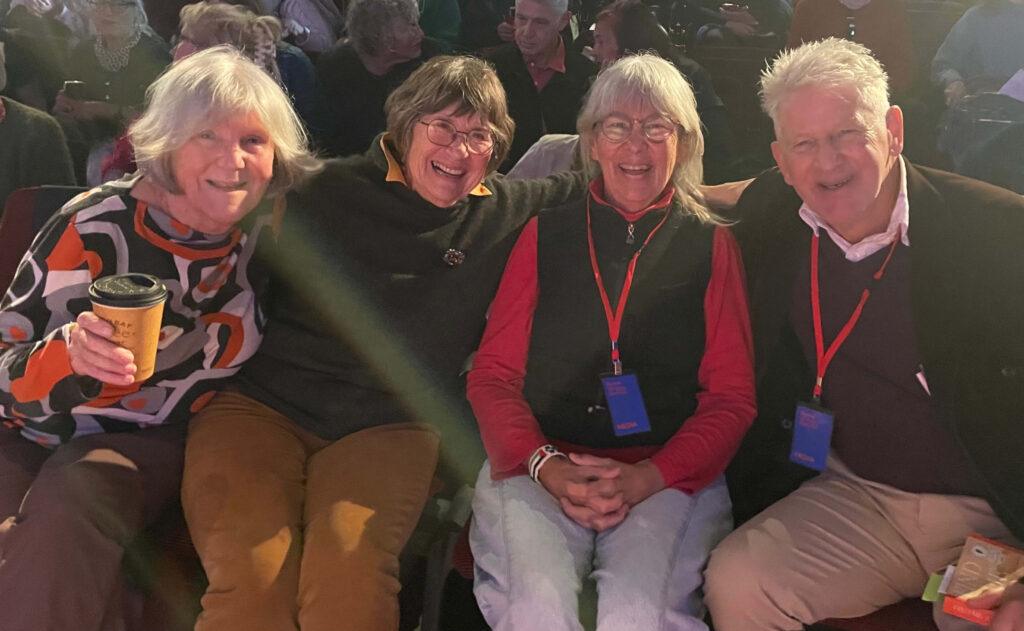
As we de-briefed from the Festival, I asked some of The Herald team a few questions.
 Digby, do you think reading can make better men?
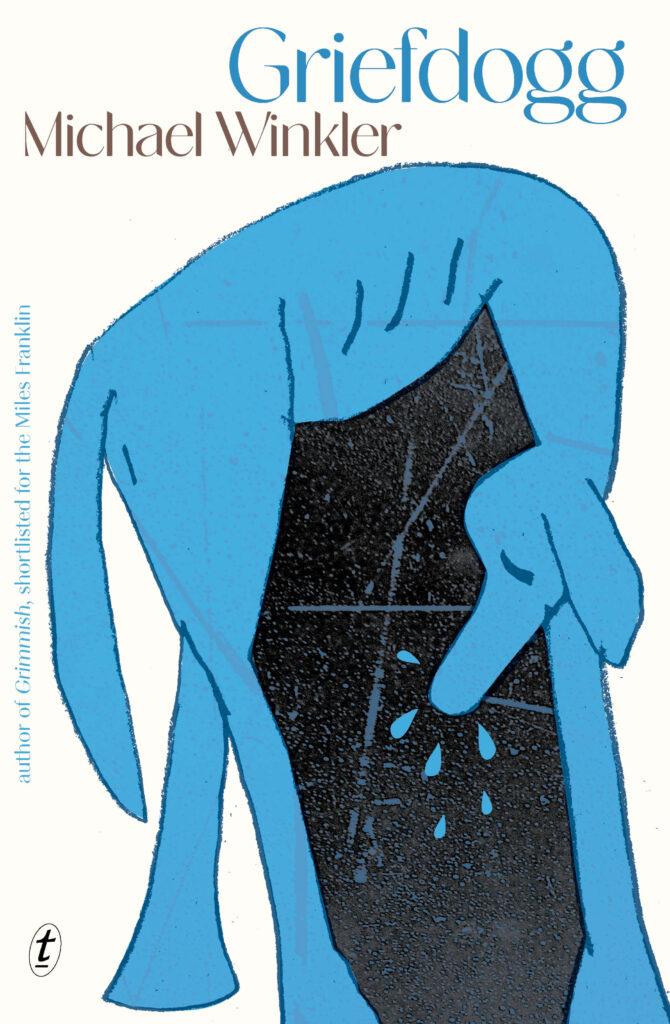
I would wager that Elon Musk has never read a novel – a deficiency of curiosity that makes his contempt for empathy inevitable. Reading invites us into others’ lives; we’re led to understand, to accept. Without empathy we are lost. Men like Musk are emotional neanderthals whose rage and narcissism threaten the planet. But at BWF this year Michael Winkler talked about his novel Griefdogg, a funny, profound, wholly original work. Bob Carr shared his heart-wrenching experience of bereavement with Mick O’Regan and a packed, hushed, tent. The theme arose throughout: Kerry O’Brien, in a roar of righteous indignation, reminded us about our collective loss of freedom and democratic rights; Micaela Sahar’s Palestinian family lost their home in Jerusalem; Tasma Walton’s ancestor had her birthright, and even her name, ripped away. Their writing is educational, both historically and emotionally; reading it makes us ‘better’ humans. The work of Winkler, Trent Dalton, Richard Flanagan, the poet Ender Baskan, Antoun Issa and Robert Forster express and encourages a moral rigour – honesty, humility, masculine decency. They provide bulwarks for boys against the barbarism of ‘the bros’, and beacons of hope.
 Carole, what have you found yourself thinking about since the Festival?
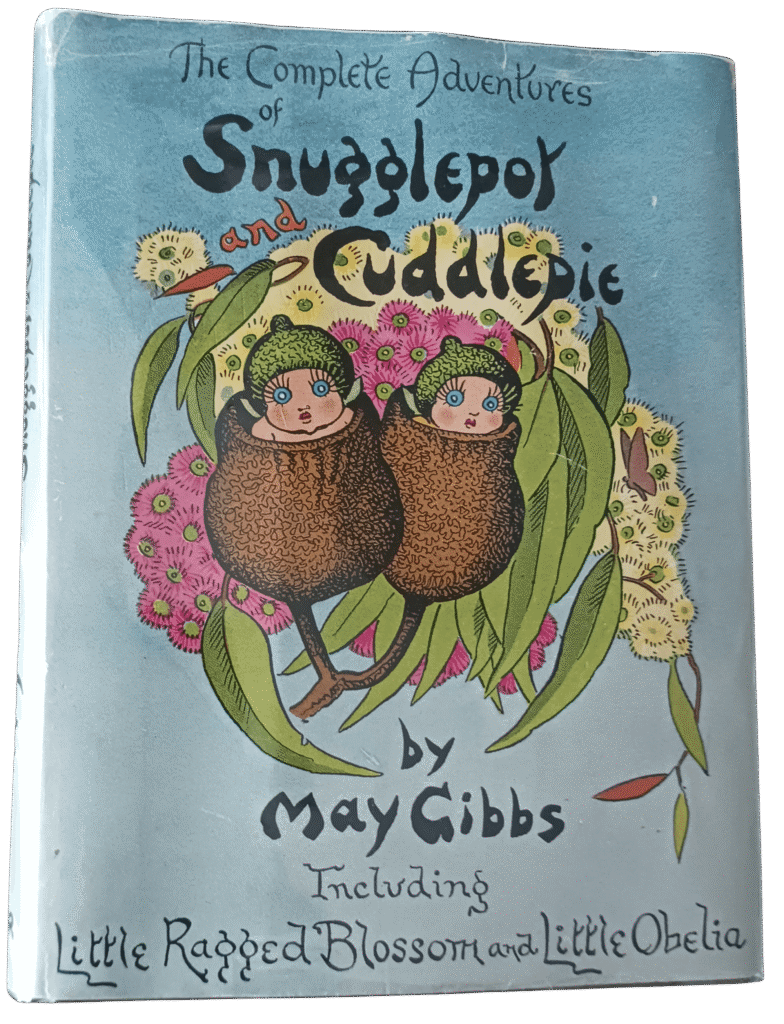
Ever since I was given my first book – Snugglepot and Cuddlepie by May Gibb – I have been a ‘bookworm’ and I still have the first book that I bought with a voucher – We of the Never Never by Mrs Aeneas Gunn. Being a bookworm was sometimes admired, sometimes denigrated but I still am and proud to be so. I can’t imagine not reading and neither can I get my head around why and how some people don’t. How else could I travel the world encountering different cultures, seeing so many wonders and entering into other relationships (vicariously) without books? It’s all brain food and it extends my world. I share books, enjoy book groups and literary events and learn, learn, learn. The written world is so important that if in the end when I’m really old, my activities are limited, I hope that I can always hold a real book in my hands.
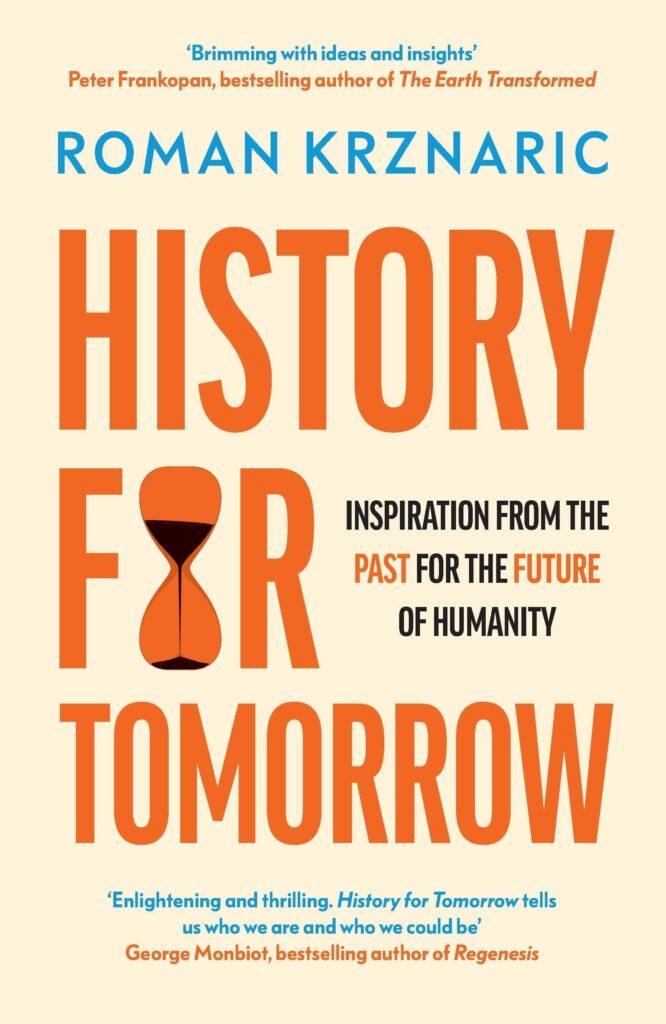 Christobel, was there a writer who made you want to read something you otherwise wouldn’t?
I stumbled out of the rain to hear the ABC’s Natasha Mitchell interview Roman Krznaric about his most recent book History for Tomorrow. Having no idea what a social philosopher did, I was curious. Their conversation hit the ground running. Lively and interesting, Natasha led him back though 1000 years of world history, to uncover how societies have ‘risen up to tackle challenges’. Roman calls it ‘looking backwards to help chart a way forwards.’ Thoroughly researched, he tossed out examples of nurturing tolerance in a Medieval Islamic kingdom; how past rebel movements might break the fossil fuel addiction; in what ways pre-industrial Japan could inspire us to ‘kick the consumer habit’. Or how civilisation breakdown could be averted by checking out how past nations and empires have survived crises and change. Millions of people are fascinated by history: how about channelling this ‘passion for the past’ into ‘helping tackle the multiple dilemmas facing humankind’. I bought the book.
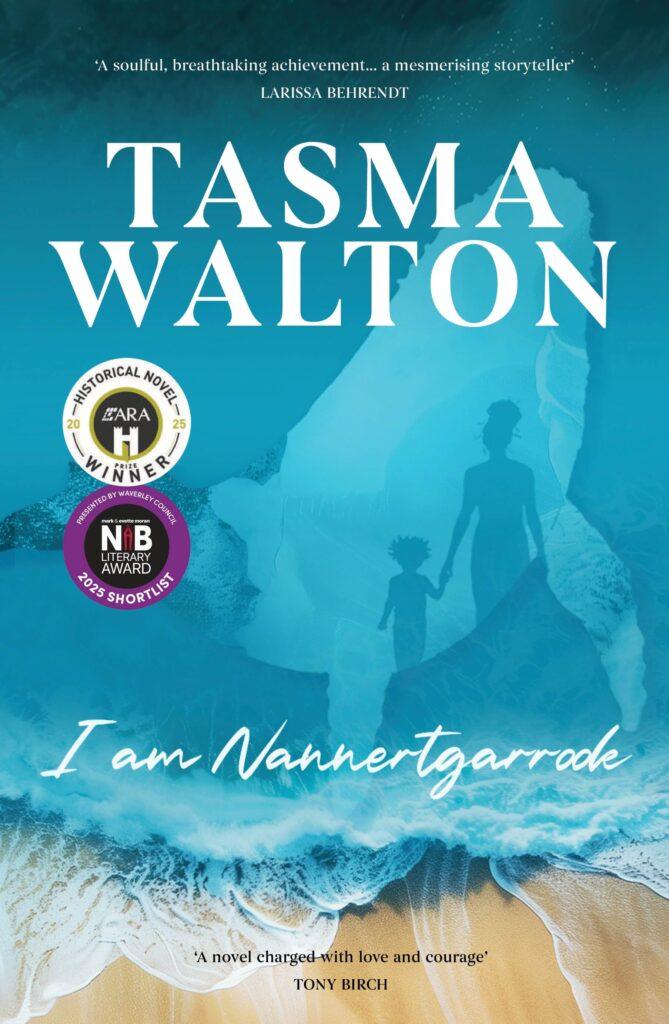 Jenny, did a particular story allow you to understand an experience outside your own?
I found four stories at the BWF spellbinding. They transported me around the world – to India, Palestine, Singapore and the Mornington Peninsula and I am still reflecting deeply on each and all of them. Stories about ordinary families living their ordinary lives ripped apart by circumstances beyond their control – the Nakbar in Palestine in 1948, the Partition of India in 1947, the theft of indigenous women by sealers in the 1800s in southern Australian, the migration policies in Singapore that can entrap expatriate women in lives of privileged misery and powerlessness. It wasn’t just the stories though; the authors themselves entered my being. Tasma Walton, Micaela Sahha, Geetanjali Shree and Thammika Songkaeo. Four women of clarity and intelligence, grace and dignity, gently requiring us to meet their family stories with our hearts not our heads. For some families there is no going home, history shuts the door, the fabric of the family torn to pieces. These authors have sewn their family histories together, given voice and shape to them, between the covers of a book. Reading is magical.
The Bangalow Herald was a proud media partner of the 2026 Byron Writers Festival.