
“How can we call ourselves a Bangalow team when we practise in Byron?”
It’s a question from one of Bangalow Netball Club’s junior players, but one that reflects a much bigger issue facing the town. Bangalow’s sporting clubs are used to working with limited facilities. Fields have been shared, training times adjusted and volunteers have found creative ways to keep local sport alive. But when Bangalow Netball Club lost access to training at The Bowlo earlier this year, the situation became impossible to ignore. Suddenly, one of the town’s largest junior sporting clubs had no home ground, begging the bigger question: is Bangalow’s sporting infrastructure keeping pace with the community it serves?
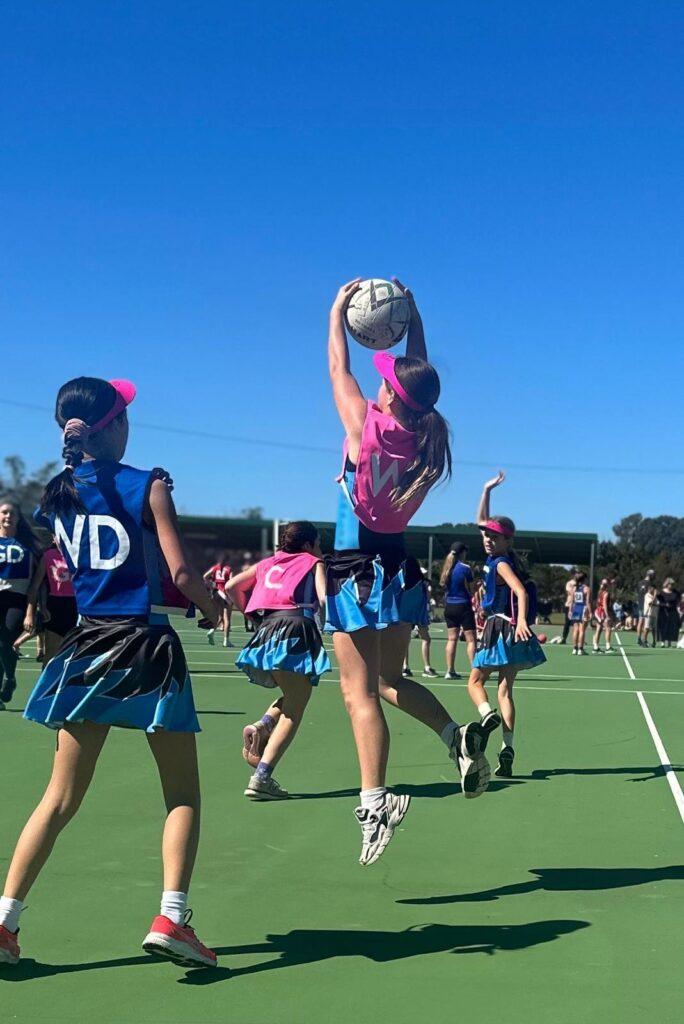 Finding a place to train – and a permanent home – in Bangalow has long been a challenge for its netball club. After years of searching, in 2013 the club partnered with The Bowlo transforming a section of the grounds into a community training space. Situated in the heart of town, it allowed players to walk from school, families to gather after work and parents to stay for dinner while training unfolded. It wasn’t a purpose-built facility, but it became even more important – a place where sport and community naturally came together.
When that chapter came to an abrupt end when The Bowlo closed in October 2025. Behind the scenes, committee members scrambled to find available courts before the season began, knowing that without a venue the club risked losing players, volunteers and even its independence.
“We were genuinely worried about losing players during the pre-season,” club vice-president Carolyn Hannah says. Families questioned whether the club would survive, while committee members faced the difficult task of reassuring players and approaching potential sponsors despite having no permanent home to offer.
The Cavanbah Centre on Ewingsdale Road, Byron Bay ultimately provided a lifeline to the club allowing the season to continue. Families and committee members say they are incredibly grateful to the Centre.
Training on purpose-built hard courts has been a bonus with players now training on the same surface they compete on each weekend. Coaches no longer have to contend with muddy grass courts after rain or poor lighting during evening sessions. “More than anything, it has highlighted just how much Bangalow needs purpose-built netball facilities,” says Carolyn.
Nine-year-old Lotte is one player who has noticed the difference. “I like training at the Cav because of the hard courts,” she says. “It helps us get ready for juniors next year. It isn’t muddy and slippery like The Bowlo.”
Yet even with those improvements, many players say something has been left behind.
For 16-year-old Sophie Scott, that loss is difficult to describe because the Bangalow Bowlo is tied to identity rather than convenience.
“We belong at the Bowlo. It’s the heart of our town, surrounded by the community. That is home for us,” she says. “We belong in Bangalow.”
For younger players, the change has altered simple routines that once made training feel like part of everyday life. Twelve-year-old Naomi says she misses walking from school with her teammates, chatting along the way. “It made us feel like a team before training had even started,” she says.
Now, training requires families to organise transport to Byron Bay, co-ordinate carpools and fit another journey into already busy weekly schedules. While the sporting experience itself has improved, the sense of belonging that came with training in Bangalow has become harder to recreate.
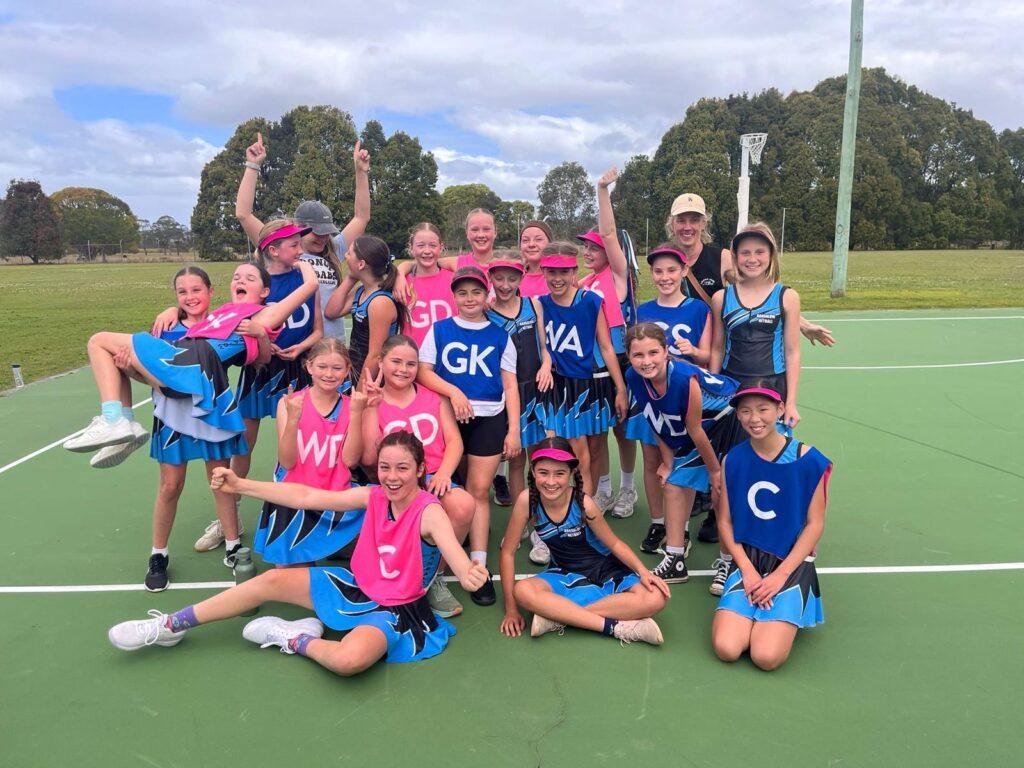 But the change in location and training day didn’t suit all teams. Now one team trains in their coach Jess’s backyard. She mows, lines and lights the yard in the attempt to get a sufficient training session in each week. This sacrifice is just one of the many the club has had to make over the years.
The move has also affected the club’s representative players. Since Bangalow was forced to change its training night, representative athletes often miss club training because it clashes with Brunswick Byron representative sessions. Carolyn says those players play a crucial role within the club.
“Our representative players are important role models for our younger athletes,” she says. “They bring back new skills, knowledge and ideas from representative training that lift the standard of our club training and benefit their teammates.”
The lack of sporting infrastructure extends well beyond any one sporting code. As participation across junior sport continues to increase, clubs are competing for limited space, and when facilities disappear there are few alternatives within the town itself.
For Bangalow Netball Club committee member Alicia, finding a long-term solution has become a community effort. Volunteers have spent more than a decade preparing grant applications, gathering letters of support and advocating for dedicated courts. They have produced funding submissions, sought assistance from Netball NSW and worked with local organisations, yet the club is still waiting for permanent facilities. Two proposed netball courts have now been identified in the Bangalow Sports Field Master Plan, offering hope that progress is finally possible, but without the grants the future of these plans is still unknown.
Byron Shire Council’s Acting Manager of Works, Malcolm Robertson, said the need for additional hard court facilities had been recognised through the 2023 Bangalow Sports Fields Plan of Management and Landscape Master Plan. The plan identifies two new multi-purpose hard courts as a high priority project within the Bangalow Sports Precinct, adjoining the existing tennis courts.
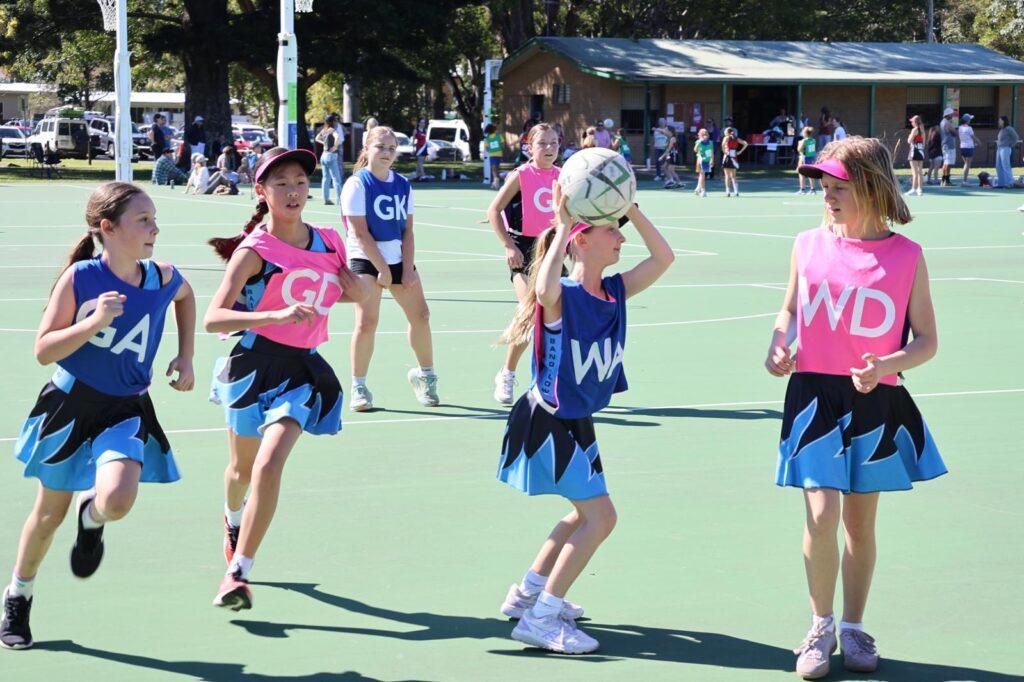 Designed to support netball, basketball, tennis, wheelchair sports and community recreation, the proposal would create a shared hard court precinct rather than facilities for a single sport. While concept plans have been completed, the project is not yet funded or scheduled for construction, with Council continuing to pursue external grant opportunities.
Coach Jess, a key figure in attempting to gain grants from the Council, said the proposed courts would benefit far more than just netball players.
“We’re not just asking for funding to build courts – we’re asking the community to invest in a shared space that will benefit everyone,” she says “These courts will be a lasting legacy for Bangalow, giving local children the chance to play where they live and creating a vibrant, inclusive space for sport and recreation for years to come.”
Alicia believes the next step belongs to the community. “Speaking to our local council, fundraising and signing a petition supporting the need for Bangalow courts are all ways the community can help,” she says.
The conversation sparked by The Bowlo’s closure is no longer simply about where one club trains each week. It has become a broader discussion about the future of community sport in Bangalow and whether the town’s facilities are growing alongside its population. “It wasn’t just a training venue, it was a community hub,” says Carolyn.
Charlotte Burns