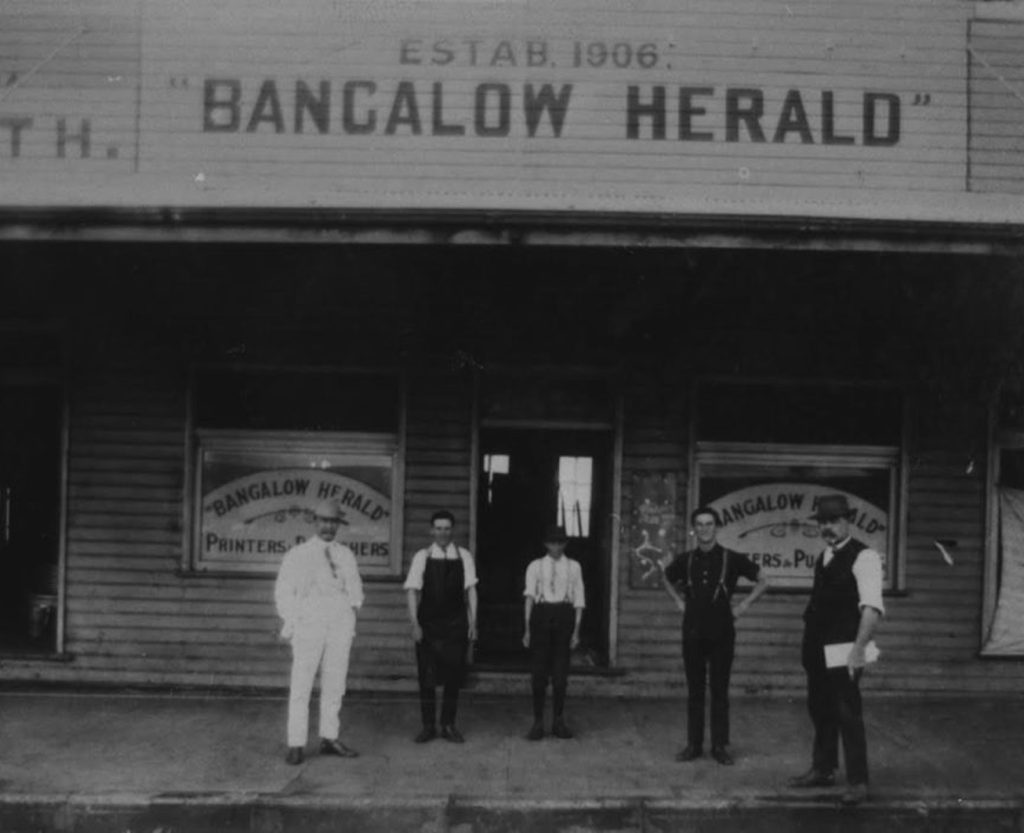
Last month, the Minister for Regional NSW, Tara Moriarty, notified The Bangalow Herald Incorporated that it had been awarded a $29,000 grant from the Regional Media Fund. The fund, which is in Round 2, awarded grants to 100 rural and regional media outlets. It aims to “support innovation and sustainability for regional and rural NSW newspapers”. Here, Christobel Munson asks Jenny Bird, the President of The Bangalow Herald’s management team, what this will mean for the Herald.
In applying for the grant on behalf of TBH, what was your primary intention? What was your core objective?
The overarching objective in applying for the Regional Media Fund Grant was to future-proof The Bangalow Herald. Within that were a number of goals: increase our digital footprint; support emerging freelance writers and photographers; deliver news and stories more often than the current monthly print magazine allows, and from more diverse perspectives; and grow our business model to ensure a sustainable future.
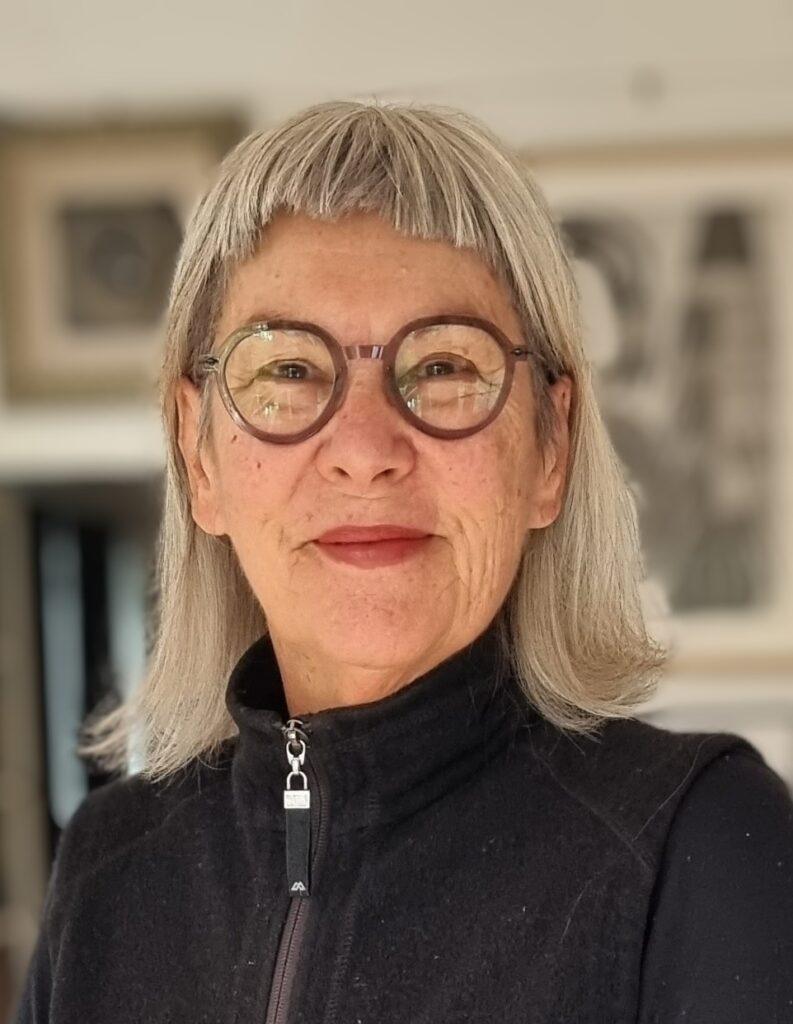
Has The Bangalow Herald ever received a grant of this nature before this? Perceived impact for The Bangalow Herald?
No, this is a game-changing first! Since The Bangalow Herald was first published in 2016, and with the support of our generous advertisers and a village full of volunteers, we have slowly built a solid and loyal readership base and an amazing team. We even survived the COVID years and remain staunchly independent. But like all small regional/rural publications we struggle to find the extra injection of funds to help us realise our dreams.
Winning this grant is huge news for us, and the impacts will be many. The whole aim of the grant from the NSW Government’s point of view is to support innovation and sustainability for regional/rural media outlets. They recognise that publications like ours face challenges in a competitive media environment, and that employment in this field is pretty tough. We are just so grateful that the Department deemed our application worthy, and at the same time we really felt that we deserved it. We also felt that it was the right time, as we have worked so hard to build a solid professional foundation from which to launch into the next phase of growth.
Over the next year or so, we will focus on expanding our digital footprint to complement our much-loved monthly print magazine. That means a new website, more social media, opportunities for digital advertising, and more digital stories during each month. It also means training and supporting local emerging writers and photographers who are looking to build a freelance career in the media. We aim to grow our revenue base and our readership, building a sustainable future that remains relevant and responsive to our diverse and changing hinterland communities. We’d like to gather and publish more stories from our neighbouring hinterland communities as well.
Specifically, how will it enable The Bangalow Herald to train and support emerging freelance writers and photographers?
We are aiming to offer scholarships to six local emerging writers who are looking to grow their careers in the media. We will pay the fees for each writer to complete the Australian Writers Centre’s online course Feature Writing Stage 1. Each one will then be mentored by a freelance journalist to write five stories (both print and digital) for The Bangalow Herald over a period of about six months, in consultation with our Editor. The mentoring will include both writing feedback, and some career advice.
We’ll also run a photography-for-the-news workshop with mentoring support. Again, we will be asking participants to submit photographs to The Bangalow Herald in consultation with our Editor. Hopefully some of the writers will want to do both, but this workshop will be open to more people.
Our overall aim is to support and grow the pool of trained freelance writers and photographers in the area. Hopefully some or all of them will join the Herald family and will continue to contribute to The Bangalow Herald into the future, offering diverse perspectives, responding to news more quickly via digital platforms, and enriching the monthly print magazine.
How will the grant allow TBH to change its public face? i.e. expand from only print, to print plus digital?
The first thing is to reassure everyone that our monthly print magazine is not going anywhere! But we do find that it limits our ability to offer readers news and stories that pop up during the month. We currently miss a lot of important stories. With more writers and photographers, a newly designed website and more active social media, we can be more responsive to news and deliver stories digitally as they arise. So, we are aiming to do both – keep the print magazine and supplement it with digital stories in between.
We will also be offering our advertisers digital and/or print advertising space.
When will all this be happening?
We have until May 2026 to get all this work done. Now we have signed the funding deeds with the Department of Primary Industry and Regional Development we will start rolling out our project plan. We won’t do everything all at once, so keep your eye out for announcements and promotions.
How can interested freelance writers and photographers enquire about the training opportunities on offer through this grant?
For initial general enquiries, contact Jenny or Sally at info@bangalowherald.com.au
The Minister for Regional NSW, Tara Moriarty, congratulated The Bangalow Herald on its success in obtaining funding through the NSW Government’s Regional Media Fund.
“I know this funding will go a long way in helping The Bangalow Herald continue to service the local community for many more years to come, as well as allowing it to continue to grow its readership,” Minister Moriarty said.
“I’d like to congratulate The Bangalow Herald for exploring options to support future local writers through a scholarship program to help them grow their skills and pursue a career in media or writing.”
The Minns Government recognises the importance of the long-term sustainability of rural and regional newspapers and supporting the delivery of diverse and relevant news and current affairs throughout regional communities.