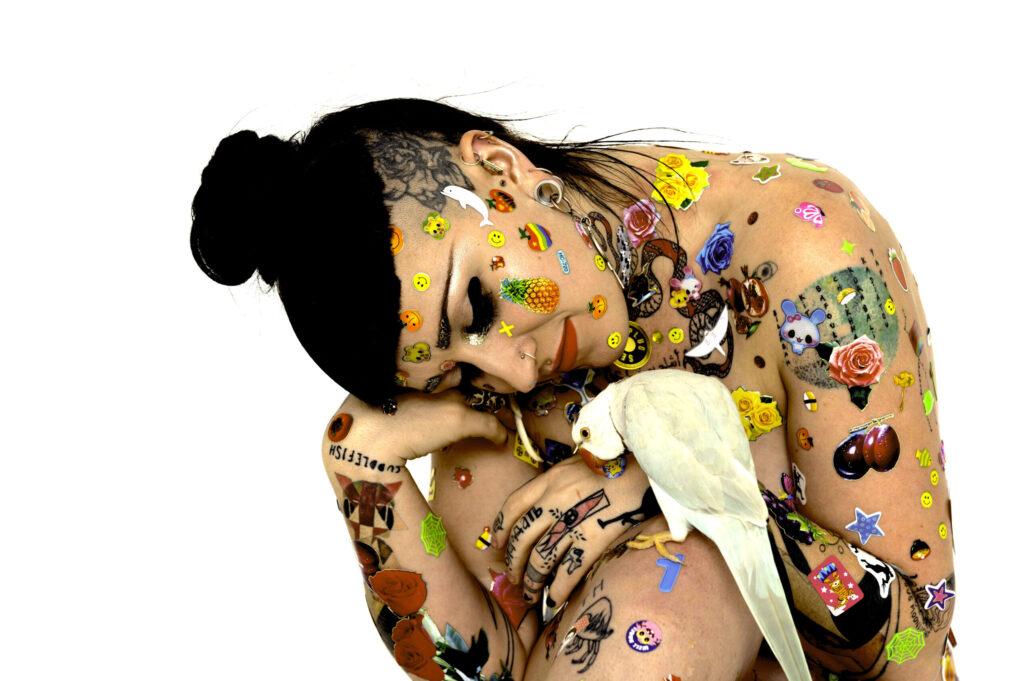
This October, a new music and arts festival will take over halls, streets and unexpected spaces across Bangalow and Byron Bay. But for Si Jay Gould, DINGO Festival Director, the ambition goes well beyond putting on another festival, writes Sally Schofield.
When DINGO Music & Arts Festival arrives in Bangalow this October, don’t expect a fenced-off festival site with a main stage, food trucks and thousands of people converging on a single paddock.
Instead, audiences will move through the village, discovering performances in the A&I Hall, the RSL Hall, the Scout Hall, the Moller Pavilion, The Lumber Yard and smaller spaces, with free entertainment happening around the ticketed events. On Sunday, Station Street joins the action with a parade, outdoor stage and a free program designed particularly for families and the wider community. For Si, that’s very much the point.
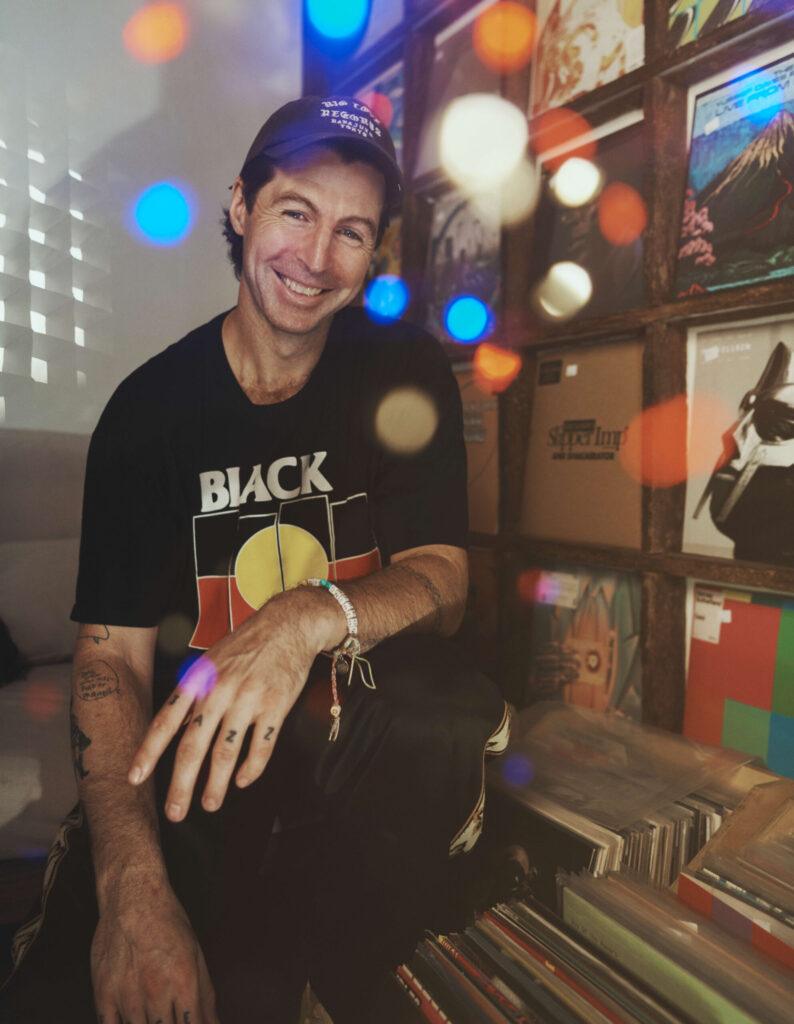
The idea for DINGO began to take shape after he attended the Regional and Remote Music Summit in Byron Bay in 2025, hearing from people behind festivals that transform small regional towns by using the places and spaces already there. It prompted a question. Could something similar happen in Bangalow?
The original suggestion was to consider the Showground, but subsequent events highlighted the vulnerability of that model. The Byron Writers Festival had experienced flooding and the unexpected closure of the Bangalow Bowlo removed another significant indoor venue from the village.
Rather than abandon the idea, the DINGO team began thinking differently, asking: “How do we program for an area like this, given that the weather could change on a dime?”
The solution has become one of the festival’s defining features. Almost everything ticketed on Friday and Saturday will take place inside existing venues in Bangalow and Byron, with Sunday’s free community program occupying the Station Street precinct in Bangalow. In many ways the village becomes part of the festival. Si describes the idea as “playing Bangalow as an instrument”, with audiences moving between different buildings, performances and experiences.
The festival is ‘anchored in jazz’, but that description only tells part of the story. Its program stretches across soul, hip hop, electronic music, experimental performance and other forms, with improvisation providing a thread between them. In fact, the name of the festival itself is partly inspired by Dingo, the 1991 Australian film featuring Miles Davis in his first and only feature film speaking role. The film opening imagines Davis arriving by plane in the Australian outback and playing wild, unexpected jazz to an astonished country-town audience. Si was drawn to that image of adventurous music suddenly appearing in an unlikely place and transforming the people who encounter it. The dingo itself adds another layer: an animal that lives alongside humans but can never be completely domesticated. It’s a fitting symbol for a festival that seeks to be both familiar and unexpected.
While larger opening and closing events will be staged in Byron Bay, Bangalow’s component has deliberately been kept smaller. Venues range from spaces holding around 30 people to the A&I Hall at around 400.
“We don’t want to overload Bangalow, make it feel like it’s bottlenecking by any means,” Si says.
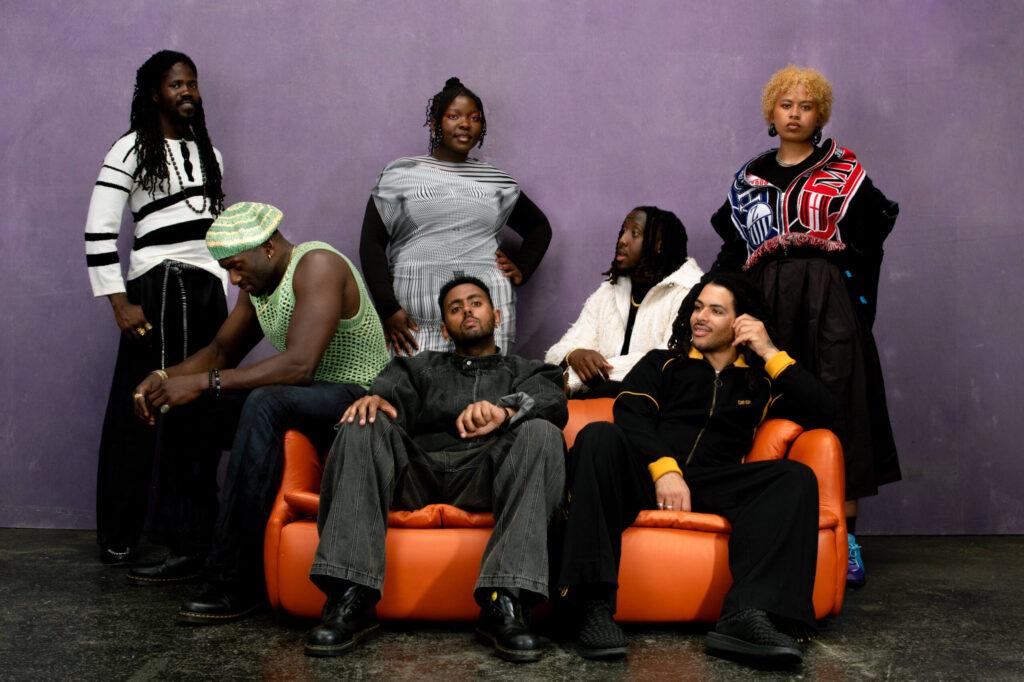
Around 80 volunteers are expected to help before, during and after the festival. Students from SAE are undertaking work experience and internships across event management, design, photography and documentation. Emerging producers and community organisers are being encouraged to develop and present their own ideas, while children are involved in creating festival decorations. Si estimates the people contributing range in age from about eight to their 80s, an impressively diverse range of the community.
Participation and activation are some of the wider questions that the festival seeks to address. Venues are expensive to operate, property costs are high and businesses reliant on alcohol sales are competing with a world of entertainment available at home. Si ponders what a new model of community arts could look like. Rather than viewing culture purely as a commercial activity, he wonders whether community arts could be treated more like community sport. At a sporting club, participation isn’t limited to the players. Parents run canteens, volunteers coach teams, committees raise money and communities collectively maintain organisations because they believe those organisations have value.
“There’s a community obligation to be involved, to protect, to fundraise, to do your part,” he says. It’s a philosophy that inevitably brings the conversation back to the Bowlo. Its sudden closure removed one of Bangalow’s few large, accessible, multigenerational community spaces at the same time DINGO was considering how cultural spaces might survive. Si points to overseas models where communities have collectively purchased threatened music venues and protected their cultural purpose, rather than expecting them to survive indefinitely as conventional commercial businesses.
Si hopes DINGO might one day operate as a social enterprise, creating activity beyond one weekend of performances. That could mean opportunities for emerging producers, cultural exchanges, workshops, discussions and events spread more widely across the Northern Rivers. DINGO’s longer-term ambitions include connecting visitors with creative communities and unusual venues in places such as Lismore and Murwillumbah rather than concentrating everything in one destination.
It’s ambitious, particularly for a festival being assembled for the first time. But perhaps the most interesting thing about DINGO is that, like jazz itself, there’s room for improvisation and experimentation with the festival.
DINGO Music & Arts Festival
8-11 October, Bangalow and Byron Bay
dingofestival.com