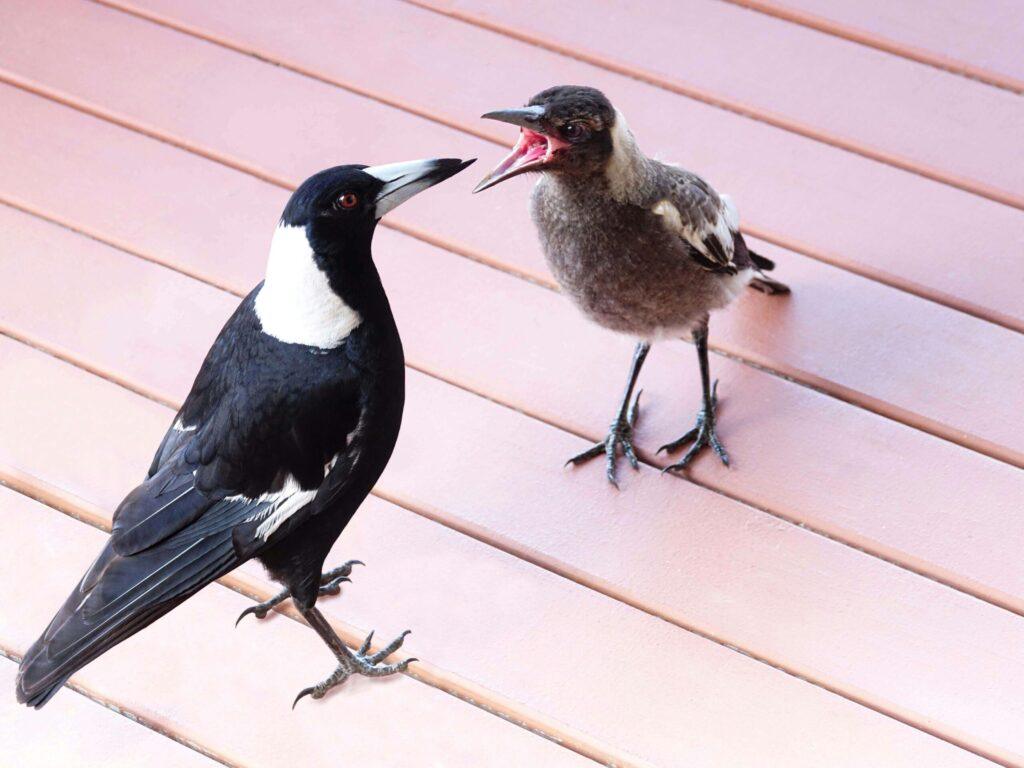
In its first year, the Northern Rivers Wildlife Hospital has treated more than 2000 native animals, giving injured and threatened wildlife a second chance. Now, as the region faces the arrival of avian influenza, Digby Hildreth reports on an urgent campaign to secure the hospital’s future.
In May, a rare spotted-tailed quoll was brought into the Northern Rivers Wildlife Hospital by a WIRES volunteer – just one of the more than 2000 animals treated by the hospital in its first year of operation.
Thanks to the dedication of wildlife rescuers, carers and the hospital’s veterinary team, the quoll, which is listed as threatened in NSW and endangered nationally, was given a second chance at life. So too are many other native animals, including those injured in car strikes or dog attacks.
Now the hospital is facing such a financial burden that it may not be able to continue operating.
With bird flu already in Australia, it’s only time before it reaches our region. The timing could not be worse. “We are preparing to respond, but without urgent financial support, the future of our hospital is under threat,” a spokesperson says.
“Our purpose-built wildlife hospital at Wollongbar was designed with the foresight that avian influenza would hit our shores eventually. With specially designed ventilation systems, isolations wards and biosecurity protocols in place we are well situated to deal with the disease. But if we cannot afford to pay our highly qualified veterinary staff, we cannot function.”
The hospital is a publicly owned not-for-profit enterprise on Crown Land and is supported by a large team of volunteers, but the vet nurses and vets themselves have to be paid.
“It takes approximately $1.2m annually to staff and operate the hospital,” the spokesperson says.
“We are doing everything we can to secure the immediate future of the hospital while we work towards a more sustainable long-term funding model.
“We are grateful for the government support in building the hospital and we will be asking for their support for ongoing operational costs.
“But the bulk of our operational funding has come from generous private donors and our regular giving programs such as Hospital Heroes. Any donation, big or small, will help keep our doors open.
“To see this facility close would be absolutely devastating. We cannot afford to lose our hospital. Not now.”
If you can help keep the hospital open, donate via nrwh.com.au/donate or email fundraising@nrwh.com.au if you can help.
What is avian influenza?
Avian influenza, commonly known as bird flu, is a viral disease that mainly affects birds, including wild birds and poultry. The strain currently of particular concern is H5 highly pathogenic avian influenza (H5 HPAI), which can cause severe illness and death in birds and spread rapidly through bird populations.
Wildlife hospitals are preparing for its potential impact on Australian native species.
If you find a sick or dead bird, avoid touching or approaching it but record information on the animal from a safe distance and report to the Emergency Animal Disease Hotline on 1800 675 888.