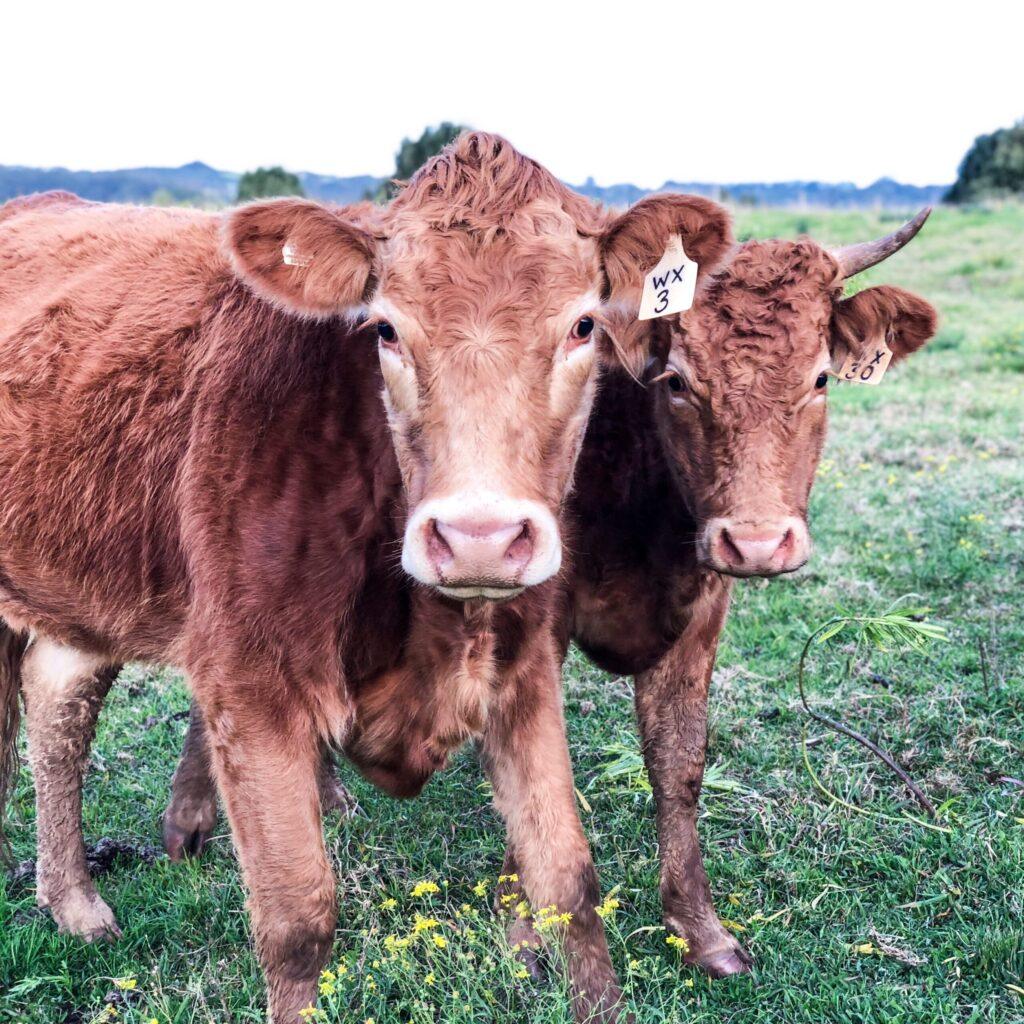
Cattle farmers of this area are well aware that fly season is upon us. The season runs from November to April, in fact, and we are right in the peak of it.
Buffalo flies, for those not aware, are common pests that annoy, stress, and transmit diseases to livestock, significantly reducing weight gain and milk production. These flies also cause the spread of pinkeye, mastitis, and other infections that can seriously harm any breed of cattle.
There is also hide damage caused by irritation, in which biting and rubbing leads to skin ulcers if left untreated. A lot of farmers have already been proactive in treating the fly through the tagging and spraying process.
However, while chemical treatments remain a tool for peak infestations, cattle producers in the Northern Rivers are increasingly turning to integrated pest management to protect their herds and their bottom line. Those interested would have heard of the rise in alternative treatments being considered as an alternative to tag and spray, such as the sulphur and garlic block. These blocks are similar to the common salt licks and are now a popular natural supplement for livestock fly control.
They work by releasing sulphur compounds such as allicin from garlic through the animal’s skin and breath, creating a repellent odour that deters flies, ticks, and other external parasites. It is less labour-intensive for the farmer and the cattle seem to be drawn to them.
These blocks, often combined with essential minerals like phosphorus, provide a “set and forget” method to reduce fly pressure, boost immunity, improve feed conversion, and support overall herd health. They also help reduce synthetic chemical reliance, especially when used in conjunction with tags and spray. The flies become minimal even in peak season.
To gain best use of this natural treatment
- Start early – Begin supplementation at least 30–60 days before the peak fly season (ideally by September/October) to allow the sulphur compounds to build up in the cattle’s system
- Provide continuous access – Since the active compounds are excreted within 48 hours, cattle need constant access to the blocks for the repellent effect to remain active
- Strategic placement – Place blocks near water sources or camp areas to ensure all members of the herd utilise them.
Incorporating garlic and sulphur mineral blocks serves as a vital first line of defence. By reducing fly landing rates by up to 50 per cent naturally, these blocks allow farmers to delay the use of synthetic chemicals, thereby slowing the development of insecticide resistance and avoiding chemical residues in meat and milk.
For the best results in Bangalow’s unique climate, local producers should support natural predators, including encouraging healthy populations of dung beetles, which disrupt the fly breeding cycle by burying manure before larvae can develop. They should also monitor thresholds, only escalating to chemical interventions (like ear tags or pour-ons) if fly numbers exceed 200 per beef animal or 30 per dairy cow.
As always, the best treatments are natural; they take time and consistency, and this one has no withholding period. That’s surely a win for everyone.